Opinion: 5 things Michigan policymakers can do to support students
Policymakers and state leaders have long shared a goal to make Michigan a top-10 education state and have made investments in public education in an effort to make progress toward that goal in the past three years. But for Michigan to truly improve, our state policymakers must ensure that all groups of students — no matter their background or ZIP code — have an opportunity to reach their highest potential.
As public education continues to be under threat and civil rights protections are being eroded for students who are underserved, we urge Michigan policymakers to redouble their support for students with the greatest needs by committing to these five things in 2026.
Students from low-income backgrounds
Michigan ranks in the bottom 10 for funding weights among states with similar funding systems in 2025 while in the top 10 for foundation allowance. State leaders deserve credit for beginning to reverse this trend starting with the passage of the Opportunity Index in 2023. But we have more to do.
Michigan has some of the highest rates of students living in concentrated areas of poverty in the country with pockets of deep poverty across the state, from Monroe to Marquette and everywhere in between. Fully funding the Opportunity Index weights that are already in law would require an additional $1.5 billion. We urge you to put us on the path to fully funding the Opportunity Index within the next five years by including a $400 million increase in funding in next year’s budget.
Students with disabilities
Michigan has historically underfunded services for students with disabilities. This has led to poor educational outcomes for too many students. Only 61% of students with disabilities graduate in four years with a traditional diploma ― leaving them at a disadvantage after high school. Michigan’s partial reimbursement system leaves districts ― many with varying capacities ― to shoulder most of the funding responsibility to cover the costs for students with disabilities. As a result, all students have been shortchanged.
Recent state investments have begun to close the gap between what districts are paying for special education and what they receive from the state. Now Michigan must take the next step — moving from short-term fixes to systemic reform by implementing recommendations in The Michigan Special Education Finance Reform Blueprint. This blueprint lays out a comprehensive roadmap for building a more adequate, equitable, and sustainable funding system for students with disabilities.
English Learners
English Learners face unique challenges to their learning, including economic hardship, under-resourced schools, lack of ESL/bilingual certified teachers, and less rigor in their schools and classrooms. That is on top of trying to learn English and master their coursework at the same time. Unfortunately, Michigan has a long history of underfunding these students. Last year’s English Learner funding weights ranked in the bottom 10 states for funding English Learners compared to other states with similar funding formulas.
It is urgent that the state increase investment in English Learners and fund the targets weights that already in law within the next five years. To reach that goal we urge the governor and the Legislature to double funding to $125 million for English Learners in next year’s budget.
Students in rural districts
Students in rural school districts face unique challenges and often lack access to services. Rural school districts spend more money on transportation than other districts, which means less money reaching the classroom.
The state has made this a priority in the previous three budget cycles by investing $125 million to pay for transportation costs. We propose continuing specific funding for transportation costs. We also suggest increasing funding for rural and isolated districts to allow those districts to address their specific challenges.
Provide teachers with the supports and training to improve literacy
Michigan ranks near the bottom in early literacy, with only 39% of Michigan students considered proficient in early reading. The rates are even worse for students from low-income backgrounds, English learners, students of color and students with disabilities.
We urge state leaders to drive improvements by supporting teachers with access to professional development, including LETRS training, which has a track record of providing teachers with the tools necessary to help struggling students learn how to read. The state must also continue to provide incentives for local districts to use high quality reading curriculum based on phonics and the science of reading.
These actions, along with the implementation of the Reading for All law that passed in 2024, will place Michigan on a path to close opportunity and achievement gaps and ensure that every student can become a strong reader.
Along with additional investments, we strongly encourage policymakers to consider making changes to increase accountability and transparency. We appreciate recent language that now requires districts to inform parents how Opportunity Index dollars are being spent. In addition, we propose requiring at least 75% of the weighted funding to be spent at the building where the student attends. This will help ensure the dollars are getting to the classroom and being used to support the intended students.
Over the past two years, in particular, Michigan policymakers have demonstrated strong support of Michigan’s most vulnerable students. We urge state leaders to continue that momentum by investing in students from low-income backgrounds, students with disabilities, rural students and English Learners in next year’s budget. Doing so will increase the opportunity for all students to receive a great public education. This will begin to ensure that students from low-income backgrounds across the state are receiving the necessary support they need to achieve at their highest level.
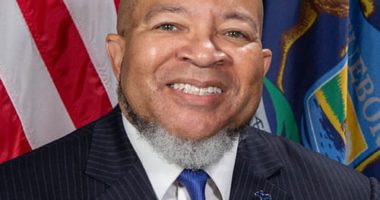
Alice Thompson is CEO of BFDI Educational Services and chair of education committee of the Detroit NAACP. Mike Jandernoa is founder and chairman of 42 North Partners. They are also co-chairs of the Michigan Partnership for Equity and Opportunity.
This commentary originally appeared in Crain’s Detroit Business.